

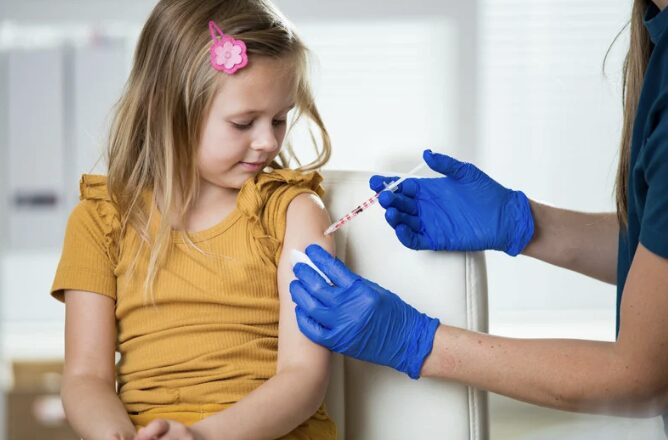

As the 2024–25 flu season unfolded, the burden on children was heavy. Early CDC data show that among children aged 6 months to 17 years, this season’s flu vaccine reduced outpatient visits for influenza by about 32% to 60%, and lowered the risk of hospitalization by 63% to 78%. These numbers show that even when the viruses circulating in the community shift and evolve, the flu vaccine continues to provide meaningful protection — keeping more kids healthy and out of the hospital.
Influenza isn’t just another winter nuisance. Each year, thousands of children in the U.S. are hospitalized with flu complications, and dozens lose their lives. Since national pediatric flu death reporting began in 2004, annual deaths have ranged from about 37 to nearly 200, and about 80% of those children were unvaccinated. The flu shot dramatically lowers these risks. Studies show it can reduce a child’s chance of severe, life-threatening influenza by about 75%, and flu-related hospitalizations by 40–50%. Even when flu viruses are widespread, vaccinated children are much less likely to develop severe illness or require emergency care.
Flu vaccination also helps protect the people around your child. Children are especially efficient at spreading respiratory viruses — at home, in classrooms, and in daycare centers. By vaccinating your child, you’re also protecting siblings, parents, grandparents, and others in your community who may be more vulnerable to serious illness.
In discussions with parents about flu vaccines, I am often asked if the vaccine is necessary given that it’s often not perfectly matched to the circulating strains. It’s true that influenza viruses change frequently, and health experts must choose the vaccine strains months before flu season starts. Some years, the match is close; other years, the viruses drift. But even when there’s a mismatch, the vaccine still provides valuable cross-protection.
Vaccinated children tend to have milder symptoms, fewer complications, and are far less likely to need hospitalization than unvaccinated children. For example, in the poorly matched 2014–15 season, the overall vaccine effectiveness dropped to around 19%, but that still prevented thousands of serious infections and hospital stays. In better-matched years, protection typically rises to 40–60% — meaning the flu shot can cut the risk of illness nearly in half.
The takeaway: even when the match isn’t perfect, the flu vaccine remains one of the safest and most effective tools we have to prevent serious illness in children. It’s updated every year to provide the best possible protection for that season’s viruses.
Don’t Forget COVID-19 Protection
Flu season also coincides with the continued circulation of COVID-19. Updated COVID vaccines are available for everyone six months and older, and they’ve been reformulated to match the most common current variants (XBB.1.5 and EG.5). Like the flu , COVID vaccination helps reduce the risk of severe illness, hospitalization, and long-term complications. Children who receive both vaccines are better protected heading into winter — and both can safely be given at the same visit.
Vaccinating against flu and COVID not only keeps your child healthier but also helps keep schools open, parents working, and communities safer.
Bottom Line
This fall and winter, schedule your child’s flu and COVID vaccines early. Protection takes about two weeks to develop, so the sooner they’re vaccinated, the better prepared they’ll be. Even in seasons with imperfect matches, these vaccines save lives, reduce hospitalizations, and keep children and families healthy. Please reach out to us with any questions and call or email to schedule a vaccination appointment.
Read Also: Get Your Teenager (and Yourself) to Bed!
Jackie Phillips, MD, November, 2025
Take the first step towards improving your child’s health with pediatric integrative medicine. Call The Village Doctor at (650) 851-4747 or Contact us to learn more about the practice.