

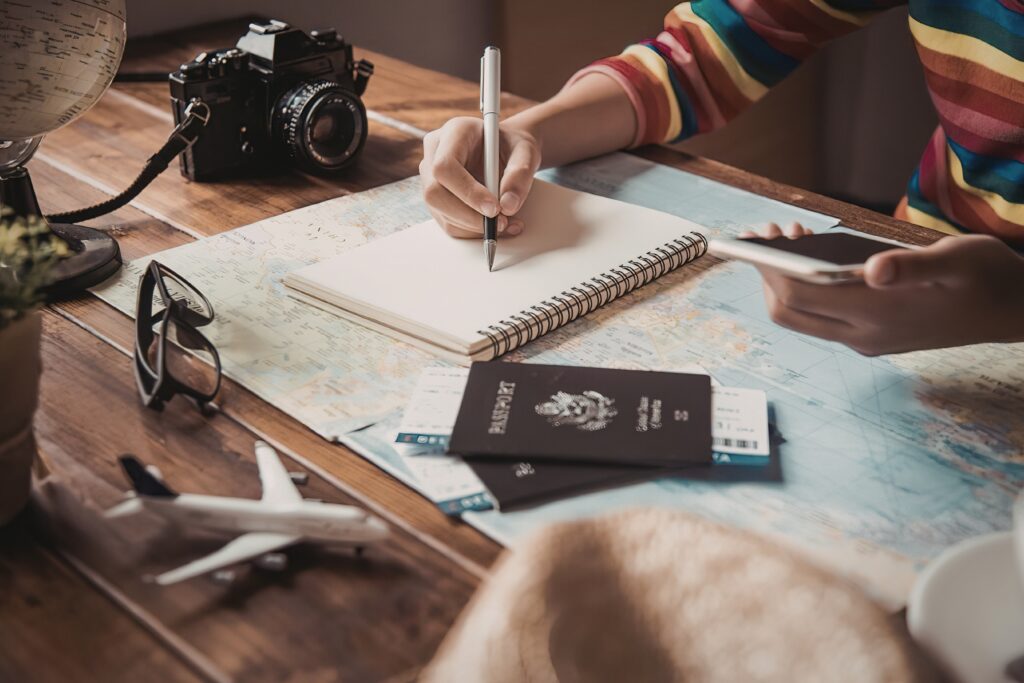

Heading on an international trip to exotic and developing locales? You may be focused on passports, luggage, and hotel reservations. But one of the most important parts of travel planning is often overlooked: protecting your health.
Whether you are heading on safari in East Africa, trekking in South America, cruising through Southeast Asia, or simply taking a family vacation abroad, preparation can help prevent illness, injury, and unnecessary medical emergencies far from home. This can apply to non-exotic trips as well. Many travel-related health problems are avoidable with a little advance planning. Family trips with children can be more complex and require more sophisticated preparation.
Here is a practical ten-point travel health checklist for the six weeks before departure.
1. Schedule a Travel Medicine Consultation
Six weeks before travel is the ideal time to visit a travel medicine specialist. Seeing a specialist gives you customized, expert knowledge in diseases of travel which can be infectious, environmental, psychological or traumatic.
Immunizations are cost-effective insurance against diseases. Some vaccines require multiple doses or need time to become fully effective. In addition, prescriptions such as malaria prevention medications may need to be started before departure. The sooner you begin before departure, the less stress on you.
A travel medicine visit should include:
- Review of your itinerary to include urban versus rural destinations, seasonality, the local environment and local outbreaks.
- Planned activities (safari, hiking, diving, medical mission work, etc.)
- Medical history and medications
- Immunization review
- Food and water safety counseling
- Insect bite prevention advice
Travel health recommendations vary greatly depending on destination, season, altitude, accommodations, and planned activities.
For example, a business traveler staying in luxury hotels in Nairobi may need different precautions than someone camping in rural Kenya. Also, a Caribbean cruise requires different preparation than a gorilla trek in Rwanda or visiting the Himalaya in Nepal. While there are common precautions, there are many nuances to protecting your health based upon your itinerary, underlying health, season and other factors.
2. Immunizations
Many adults are not up to date on routine immunizations. International travel is an excellent opportunity to review and catch up on them. Vaccines vary in how long they protect and many need regular updating.
Common routine vaccines include:
- Tetanus/diphtheria/pertussis (Tdap)
- Measles/mumps/rubella (MMR)
- Influenza
- COVID-19
- Shingles
- Pneumonia vaccines
- Hepatitis B
Depending on destination, additional travel vaccines may be recommended, including:
- Hepatitis A
- Typhoid
- Yellow fever (this is the only internationally mandated immunization)
- Japanese encephalitis
- Rabies
- Cholera (almost never needed)
- Meningococcal vaccine (this can also be considered a routine immunization)
Some countries require proof of certain vaccinations for entry, especially yellow fever vaccination in parts of Africa and South America.
Travelers should carry an official International Certificate of Vaccination if required. This yellow card serves as a great immunization record which you should keep with your passport.
3. Protect Yourself From Insects and Sun Exposure
Mosquito bites can transmit malaria, dengue, chikungunya, Zika, and other infections. Ticks can spread Lyme disease, African tick bite fever, tick-borne encephalitis, Rocky Mountain spotted fever, Congo-Crimean Hemorrhagic Fever, Alpha-Gal Syndrome among others. Flies can spread sleeping sickness, leishmaniasis, onchocerciasis, among others.
Effective insect precautions include:
- DEET-containing repellents
- Picaridin repellents
- Permethrin-treated clothing
- Long sleeves and pants, and natural, organic colors are best.
- Bed nets when appropriate
Sunburn and heat illness are also common travel problems in the tropics (and sunburn can occur on the ski slopes, too). You can dehydrate rapidly so be sure to drink plenty of clean water.
Use broad-spectrum sunscreens (apply before you put on insect repellent), broad-brimmed hats, polarized sunglasses, adequate hydration, and loose-fitting clothing.
Remember that sun exposure is intensified near water, sand, snow, and at high altitude.
4. Malaria Prevention
Malaria remains a serious risk in many tropical and subtropical regions. It has been a scourge of mankind for millennia. It can be fatal.
Depending on where you are going, you may be prescribed preventive medications such as:
- Atovaquone/proguanil
- Doxycycline
- Mefloquine
- Tafenoquine
The correct medication depends on destination, medical history, age, pregnancy status, and side effect profile.
No malaria medication is 100% protective, so mosquito precautions remain essential. If you develop a fever after travel to a tropical region, you have to be evaluated for malaria.
5. Check Your Medications and Medical Devices
Some medications that are legal in the United States may be restricted in other countries. You should check regulations for narcotic medications, DHD medications, injectable medications, CBD products and over-the-counter cold medications and diphenhydramine.
Always keep medications in their original labeled containers and carry them in your hand luggage.
Travelers using CPAP machines, insulin pumps, portable oxygen, and mobility devices should confirm airline requirements ahead of time.
6. Prepare a Personal Medical Kit
A small travel health kit can prevent major inconvenience abroad.
Recommended items may include:
- Prescription medications (bring extra)
- Copies of prescriptions
- Pain relievers
- Antidiarrheal medication
- Antinausea medication
- Oral rehydration packets
- Antihistamines
- Motion sickness medication
- Bandages and blister care
- Low dose steroid cream (like hydrocortisone)
- Antibiotic ointment
- Insect repellent
- Sunscreen
- Hand sanitizer
- Other first aid supplies based upon the type of activities planned
If you wear glasses or contact lenses, bring backups. It is a good idea to take a photo of the prescription in case you need to replace a pair while overseas.
Travelers with chronic medical conditions should carry a concise medical summary including diagnoses, allergies, medications, and emergency contacts.
Beware of buying medications in developing countries. Many meds are available over-the-counter yet are counterfeit and potentially dangerous.
7. Food and Water Safety
Traveler’s diarrhea from contaminated food and water remains the most common travel-related illness.
High-risk items include:
- Untreated water
- Ice from unsafe water
- Raw seafood
- Unpasteurized dairy
- Street food handled improperly
- Raw fruits and vegetables washed in contaminated water
In some destinations, travelers should use bottled or purified water even for brushing teeth.
Frequent hand hygiene is one of the most effective protections. Know that you can do everything right and still it goes wrong (if the person preparing your food had dirty hands, there is nothing you can do about it). Having a backup medication for serious diarrheal illness is a sound policy and should be used in cases of bloody diarrhea, diarrhea with fever and inability to keep food down.
8. Plan for Jet Lag, Altitude, and Motion Sickness
Travel places stress on the body. Long flights can contribute to jet lag, dehydration, fatigue, blood clots and sleep disruption.
Helpful strategies include:
- Staying hydrated
- Walking periodically during flights
- Avoiding excessive alcohol
- Adjusting your sleep schedule several days before departure
Travelers heading to high-altitude destinations such as Peru, Nepal, or Colorado ski areas should discuss altitude sickness prevention.
Those prone to motion sickness should prepare medications before travel rather than searching for them abroad. Even if you never had it before, it is a good idea to take some with you for curving mountain roads and boat rides.
9. Purchase Travel Insurance
Many travelers assume their regular health insurance covers them overseas. Often it does not. In many locales medical care is only provided after cash payment. In worst-case scenarios, an evacuation flight from a remote international location can cost more than tens of thousands of dollars.
Travel insurance may help cover emergency medical treatment, hospitalization, medical evacuation, trip cancellation, and lost luggage. Medical evacuation coverage is especially important for travelers going to remote regions, high-altitude destinations, safari camps, or expedition travel.
Apple Air Tags are a great way to track your luggage if lost.
10. Prepare Digital and Emergency Information
Before leaving:
- Photograph your passport
- Save copies of prescriptions and get letters from your doctor for narcotic medications or medications which may be forbidden in your destination country.
- Store emergency contacts digitally
- Learn the location of reputable hospitals at your destination
- Purchase a calling program from your phone provider letting you dial from international locations so that you can reach back to your doctor.
- Leave your itinerary with loved ones or close friends.
Consider registering with the U.S. Department of State Smart Traveler Enrollment Program (STEP) if traveling internationally.
Travelers should also know how to contact local emergency services abroad, since emergency numbers vary by country.
Final Thoughts
This is a brief survey touching upon the highlights of what to do before you go abroad. Travel broadens the mind and enriches life, but it also exposes travelers to unfamiliar environments, infectious diseases, food and water risks, trauma, and logistical challenges. Most travel-related illnesses are preventable with preparation.
Six weeks before departure is the perfect time to pause and think not only about where you are going, but how to stay healthy once you arrive. A little planning before the trip can make the difference between a memorable adventure and a medical emergency thousands of miles from home.
We at The Village Doctor have specialists in travel and tropical medicine and would be delighted to assist you in your health planning for that special trip abroad. Call us!
Health Travels,
Dr. Spira
Alan Spira, MD, DTM&H, May, 2026