Tis the season!
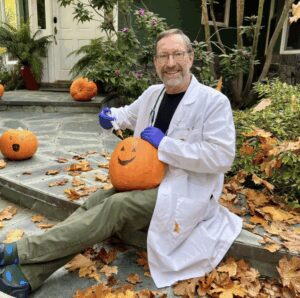
Well, not yet (gasp, but soon enough) Christmas, but time to get your annual flu vaccine.
Getting immunized this year can offer strong protection: depending on how well the vaccine matches circulating strains, it tends to reduce the risk of needing to see your doctor for flu by about 40-60 %. It also significantly lowers the chance of hospitalization: during the 2023–2024 season, vaccination was estimated to reduce flu-associated hospitalizations in adults by about 39 % (and in children even more) compared to being unvaccinated. In people hospitalized with flu, those vaccinated had lower risk of ICU admission (about 26 % lower) and lower risk of death (about 31 % lower) than unvaccinated patients.
The downsides are relatively modest. The vaccine’s effectiveness can vary (particularly in seasons when the circulating strains don’t match the vaccine strains well). Also, side effects are usually mild (e.g., soreness at the injection site, low-grade fever), and serious adverse events are rare.
Regarding timing: public health authorities generally recommend getting vaccinated in early fall (around September to October) — early enough that your immunity is built before flu begins circulating widely, but not so early that immunity wanes before the peak season. If you miss that window, though, it’s still beneficial to get the shot later — some protection is better than none, especially before or during flu season.
So give us a call and schedule your flu vaccine – especially those at higher risk of serious illness: adults 65+, young children, pregnant women, and people with chronic conditions such as asthma, diabetes, or heart disease. The vaccine reduces the risk of hospitalization by up to 50% and helps protect vulnerable members of our community.
In health,
Eric
Eric Weiss, MD, DTM&H, October 2025


Why When You Sleep Matters More Than How Much: The Power of Sleep Consistency
Most parents focus on how many hours their children sleep—but new research shows when those hours happen may be even more important. Inconsistent bedtimes can lead to something called “social jet lag,” which disrupts your child’s mood, focus, and health—even if they’re getting enough sleep. Here’s what every parent, teen, and caregiver needs to know about why sleep consistency is now a top priority for lifelong well-being.



Supplement Use in 2025: What’s Worth Considering — and Where Creatine Fits In
When it comes to nutritional supplements, there’s no one-size-fits-all answer. Dr. Peter Attia, a physician well known for his work on longevity, metabolism, and performance, often reminds patients that supplements should be evaluated through a clear framework.

Emergency! Sprains
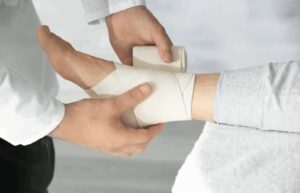
Sprain is a word bandied about a lot, but many people don’t really know what it means. Is it a bruised joint? A bruised muscle? A torn muscle? What condition is it really? We’re talking about joints, here.


Bringing Culinary Medicine Home:
A Course for Everyone
Seasonal. Organic. Unprocessed. Local.
Sound familiar?
I’m delighted to share an update from my friend and colleague, the founder of SOUL Food Salon, Dr. Jeanne Rosner. Jeanne writes,
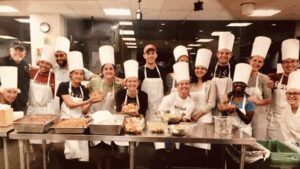
“I am beyond thrilled to share with you the culinary medicine curriculum created by Chef and Stanford University physician Michelle Hauser. Michelle teaches this inspiring and impactful class to medical and physician assistant students at Stanford, providing them with a strong foundation in culinary medicine skills. These skills—understanding what constitutes a healthy diet and how to find, prepare and enjoy nutritious food—are essential to achieving lifelong health.
I have been involved with this class since its inception, and SOUL Food Salon even helped fund the first two quarters of classes in 2017. It has been an incredible journey—fun, educational and delicious. Over the past nine years, Michelle has helped educate countless future physicians and physician assistants.
A few years ago, Michelle and I dreamed of making this course accessible to everyone. That idea came to life when we filmed numerous hours of video in my kitchen over 12 days, followed by six months of dedicated editing. This program is now available to anyone interested in learning the principles of cooking and healthy eating.
The culinary medicine curriculum is organized into eight sections, each built around a food-based theme. Every section includes guidance on related health topics, step-by-step instruction in cooking techniques and recipe demonstrations, along with handouts and recipes to support your learning. Here is a brief introduction to the course.”
Enjoy!
And bon appétit!

Again, TVD Newsletter is a labor of love. If you enjoy reading this, please share widely! Was this forwarded to you by a friend? Please subscribe here.
Yours, in health,
Eric and the TVD MD team…
The information contained in this newsletter is provided for general informational and education purposes only and is not intended to replace professional medical advice, diagnosis, or treatment. Always consult your physician or another qualified healthcare provider to discuss whether any treatment, medication, or information is appropriate for you, and for guidance on any emerging updates in care. Never disregard or delay seeking medical advice based on the information provided here.