
I recently have been getting more questions about vegetarian diets and what parents need to watch out for if they or their children choose to change to a plant-based diet. People often worry they will not be able to have enough variety or will be missing out on important nutrients, so I find that it’s better to think about looking for thoughtful replacements in your diet, not just removing meat from your plate. Whether you are raising a vegetarian child or navigating adulthood on a plant-based diet, ensuring a perfect balance of nutrients and protein is the key to sustained energy and long-term wellness.
The Protein Myth: Quality and Quantity
One of the first questions vegetarians often face is, “But where do you get your protein?” The truth is that protein deficiency is incredibly rare in developed countries, even among vegetarians. The secret lies in variety and “complementary” proteins.
Complete vs. Incomplete Proteins
Proteins are built from amino acids. While animal products are “complete” (containing all nine essential amino acids), most plants are “incomplete.” However, your body is a master at math; it can collect different amino acids from various foods throughout the day to build the complete proteins it needs.
- The Power Players: Some plants are complete proteins on their own. Soy (tofu, tempeh, edamame), quinoa, buckwheat, and chia seeds are excellent staples for any vegetarian pantry.
- The Perfect Pairings: You don’t need to eat complete proteins at every single meal, but classic combinations like beans and rice, whole-grain toast with peanut butter, or hummus with pita naturally provide a full amino acid profile.
- The Growth Factor: Because plant proteins can be slightly harder to digest, vegetarians—especially growing children—should aim for a protein intake about 10–20% higher than the standard RDA. For an active adult, this might mean aiming for 1.0g to 1.2g of protein per kilogram of body weight.
The Essential “Nutrient Watchlist”
While a vegetarian diet is naturally high in fibre and antioxidants, certain micronutrients require a proactive approach because they are less abundant in plants.
1. Vitamin B12: The Non-Negotiable
B12 is essential for nerve function and the formation of red blood cells. Since it is primarily found in animal products, vegetarians who consume eggs and dairy may get enough, but it is often borderline.
- For Kids & Adults: Fortified foods like nutritional yeast, plant milks, and breakfast cereals are helpful, but a daily B12 supplement is the most reliable way to prevent fatigue and neurological issues.
2. Iron and Vitamin C: The Dynamic Duo
Plant-based (non-heme) iron is not absorbed as easily as the iron found in meat. To bypass this, always pair iron-rich foods (lentils, spinach, beans) with a source of Vitamin C (citrus, bell peppers, broccoli). Vitamin C acts as a “key” that unlocks the iron for your body to use.
- Pro-Tip: Avoid drinking tea or coffee with meals, as the tannins can block iron absorption.
3. Omega-3 Fatty Acids: Brain and Heart Health
Fish are a famous source of EPA and DHA omega-3s, but they get those nutrients from algae. Vegetarians can go straight to the source with algal oil supplements. While flax and chia seeds provide ALA (another type of omega-3), the conversion rate to DHA in the human body is quite low, making supplementation a smart move for cognitive health.
Tailoring Nutrition: Children vs. Adults
Nutritional priorities shift as we age. Here is how to manage supplements and focus areas for different family members:
| Nutrient | Focus for Children | Focus for Adults |
| Vitamin D | Critical for bone development. Most children (regardless of diet) need a supplement during winter. | Supports immunity and bone density; essential for those with desk jobs or limited sun. |
| Calcium | Growing bones need 700-1,300mg daily. Use fortified plant milks and tahini. | Important for preventing osteoporosis; focus on leafy greens and fortified tofu. |
| Iron | Vital for brain development. Focus on fortified cereals and beans. | Menstruating adults often require higher intake; monitor via blood tests before supplementing. |
| Zinc | Essential for a strong immune system. Found in pumpkin seeds and chickpeas. | Supports metabolism and wound healing. Easily met through a varied diet. |
Practical Tips for the Vegetarian Kitchen
To make these nutritional goals a reality, try these three simple habits:
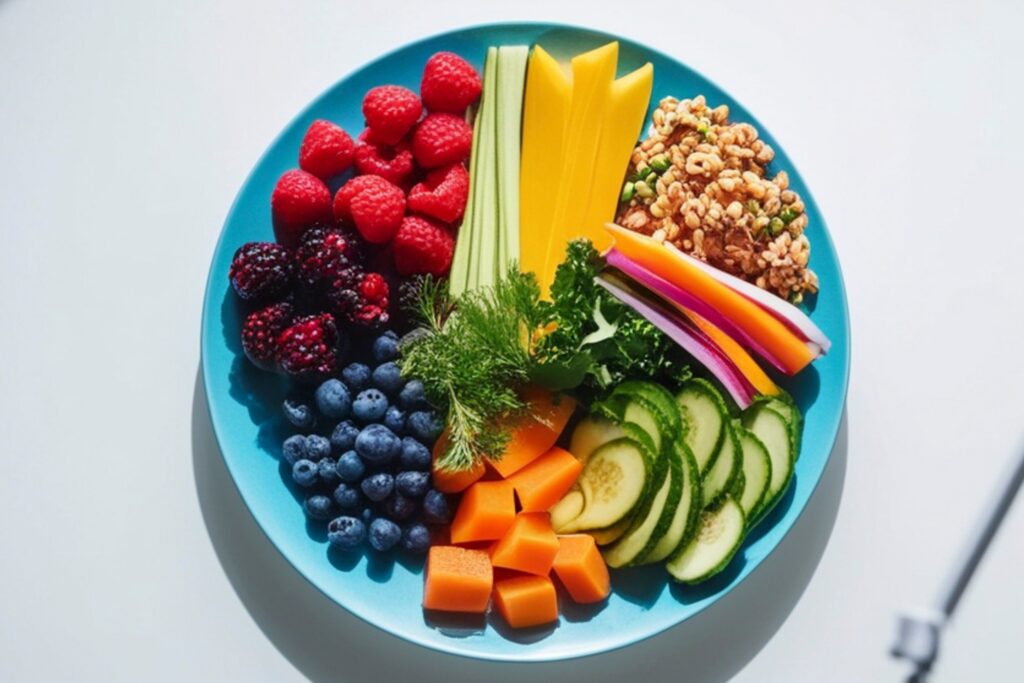
- Eat the Rainbow: Different colors represent different phytonutrients. A plate with purple cabbage, orange sweet potatoes, and green kale ensures a broad nutritional spectrum.
- Soak and Sprout: Soaking beans and grains before cooking reduces “anti-nutrients” like phytates, which can interfere with the absorption of calcium and zinc.
- Read the Labels: Many modern vegetarian products (like meat alternatives and milks) are heavily fortified. This is an easy way to “sneak” B12 and Vitamin D into a child’s diet without extra pills.
The Bottom Line
A vegetarian diet isn’t about restriction; it’s about abundance. By focusing on high-quality protein sources like soy and legumes, and being mindful of “gap” nutrients like B12 and Omega-3s, you can ensure that every member of your family thrives. Should you have any questions about your child’s diet, whether they are a vegetarian, an omnivore or simply a “picky eater,” please don’t hesitate to reach out to your physician for guidance.
Read Also: Get Your Teenager (and Yourself) to Bed!
Jackie Phillips, MD, April, 2026
Take the first step towards improving your child’s health with pediatric integrative medicine. Call The Village Doctor at (650) 851-4747 or Contact us to learn more about the practice.