
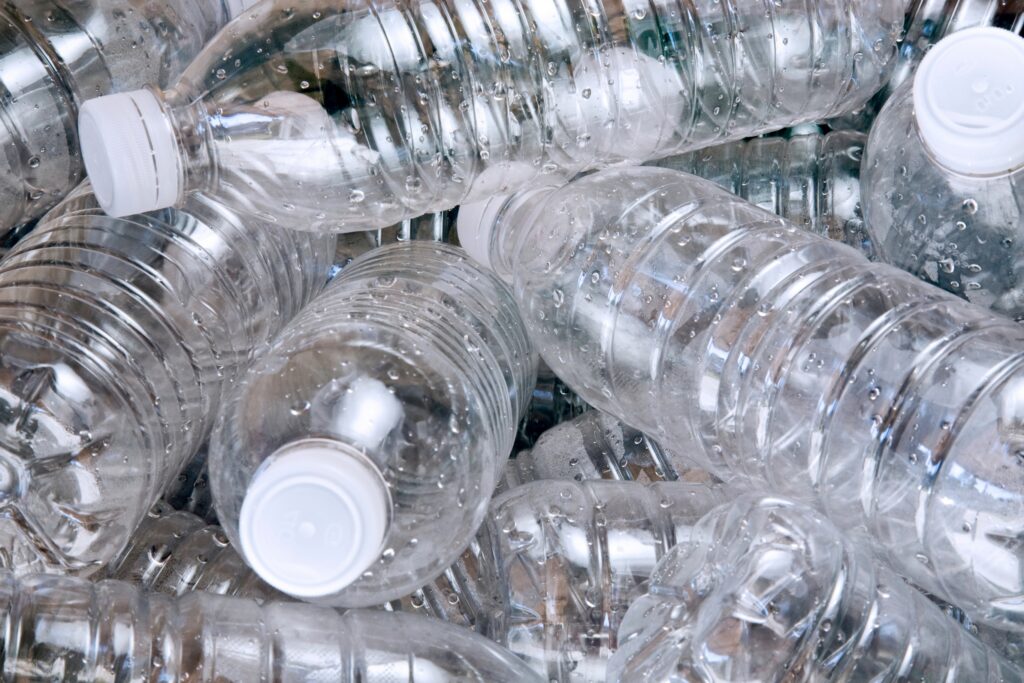

Plastic is part of nearly every aspect of modern family life, from food containers and water bottles to toys, clothing, and household products. While plastics offer convenience, growing research suggests that certain chemicals used in their production may affect human health. As a pediatrician, I’m often asked how concerned parents should be and what they can do to reduce their children’s exposure. The good news is that you don’t need to eliminate every plastic item in your home to make meaningful changes.
Why are researchers concerned about plastics?
The concern is not necessarily the plastic itself, but some of the chemicals associated with its manufacture and use. Bisphenols, including BPA and related compounds, are used in certain plastics and can interfere with hormone signaling. Phthalates, found in some plastics and other consumer products, can also affect the endocrine system, which helps regulate growth, metabolism, and reproductive development. Certain flame retardants and other additives have raised additional concerns.
Microplastics and nanoplastics—tiny plastic particles that can enter our bodies through food, water, and air—are another emerging area of research. Scientists have detected these particles in human tissues, but we are still learning what this means for long-term health.
Studies have linked exposure to some plastic-associated chemicals with potential effects on fertility, metabolic health, immune function, and childhood development. However, it is important to distinguish an association from proof of cause and effect. The health effects of many exposures, particularly microplastics, remain uncertain, and the risks vary depending on the specific chemical, dose, and timing of exposure.
Why does exposure to microplastics matter more in childhood?
Children are not simply smaller adults. Their brains, reproductive systems, and other organs are developing rapidly, making certain periods of childhood especially sensitive to environmental exposures. Children may also have greater exposure relative to their body weight because they eat, drink, and breathe more per pound than adults. Hand-to-mouth behavior in babies and toddlers can add to their contact with household dust and other contaminants.
Reducing unnecessary exposure during these important developmental years is a reasonable precaution, even as research continues.
Practical ways to reduce plastic exposure at home
You don’t need to throw away everything made of plastic. Instead, focus on a few manageable changes:
- Avoid heating food in plastic. Use glass or ceramic containers when microwaving or reheating food, and transfer hot food into these containers rather than pouring it into plastic.
- Choose safer food storage options. Glass, stainless steel, and ceramic are useful alternatives for leftovers, lunch containers, and water bottles.
- Limit heavily packaged and highly processed foods when practical. Fresh or minimally processed foods may reduce exposure from some food-contact materials while supporting overall nutrition.
- Be thoughtful about children’s products. Choose age-appropriate toys from reputable manufacturers, and avoid letting young children chew on damaged plastic items. Follow product safety guidance rather than assuming that every plastic toy is harmful.
- Don’t assume “BPA-free” means chemical-free. Some products replace BPA with related chemicals whose health effects may be less well understood.
The bottom line
Plastic exposure is an important and evolving public health topic, but it is not a reason for parents to feel guilty or frightened. We cannot avoid every environmental exposure, and current evidence does not mean that ordinary contact with plastic will necessarily harm your child. Focus on practical steps that reduce avoidable exposures, particularly around food, heat, and household dust. As we learn more, informed choices—not perfection—are the best approach to protecting our children’s health.
Read Also: The Balanced Green Plate: A Family Guide to Vegetarian Nutrition
Jackie Phillips, MD, November 2026
Take the first step towards improving your child’s health with pediatric integrative medicine. Call The Village Doctor at (650) 851-4747 or Contact us to learn more about the practice.