

Most falls are preventable, and the best time to work on them is before the first one happens.
About one in four adults over 65 falls each year, and a single fall roughly doubles the chance of another. Even a fall without injury can leave people moving less out of fear, which weakens muscles and makes the next fall more likely. The good news: balance responds to practice at any age, and many risk factors are things we can change together.
In this article, we’ll explore practical fall prevention strategies that can help older adults reduce the risk of falling and maintain independence. We’ll cover how strength training and exercises for older adults can improve stability, address common causes of loss of balance, and build confidence with everyday movements. We’ll also discuss other steps that can make daily activities safer and help prevent falls before they happen.
Why Balance Changes with Age
Balance depends on several systems working together, and each one tends to slip a little after 60:
- Muscle strength, especially in the hips and legs, declines without regular use.
- Vision changes, including cataracts and slower adjustment to dim light.
- Sensation in the feet can fade, particularly with diabetes or nerve problems.
- The inner ear, which senses head position, becomes less precise.
- Reaction time slows, so catching a stumble is harder.
None of these alone usually causes a fall. Risk of falling adds up when several stack together, which is why small fixes in more than one area make a real difference.
Signs Worth Bringing Up at Your Next Visit
You don’t need to have fallen to have a fall-risk conversation. At your next doctor visit, mention it if you notice any of these:
- You’ve had a near-miss, a trip, or a stumble you caught just in time
- You feel unsteady when standing up, turning, or walking in the dark
- You hold onto furniture or walls when moving around the house
- You’ve started avoiding stairs, walks, or outings because you worry about falling
- You feel dizzy or lightheaded, especially after standing
- You need your arms to push up from a chair
Six Areas to Address To Prevent a Fall
1. Balance and Strength exercise.
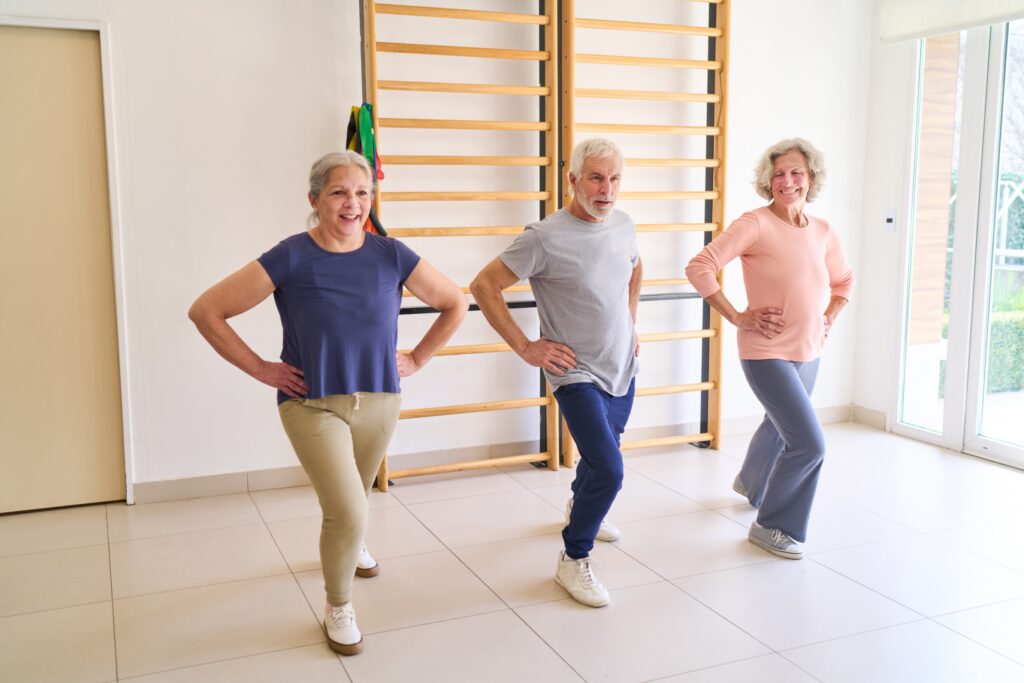
This has the strongest evidence of anything on this list. Programs that combine leg strengthening with balance training, such as tai chi or a structured class, reduce falls. A few sessions a week add up, and physical therapy can build a plan around your joints or other limits.
2. Medication Review
Some common medicines raise fall risk, including sleep aids, some allergy pills, anxiety medicines, and certain blood pressure drugs. Bring everything you take, including over-the-counter products and supplements, and we’ll look for anything worth adjusting. Please don’t stop a prescription on your own.
3. Vision
Get an eye exam every year or two. Cataracts are a common and very treatable cause of unsteadiness. Bifocals and progressives can blur the ground, so some people do better with single-vision glasses for walking outdoors.
4. Feet and Footwear
Choose shoes with a firm, thin, non-slip sole and a back that holds your heel to further maintain balance. Avoid walking in socks, loose slippers, or flip-flops. Let us know about numbness, foot pain, or toenail problems.
5. Your Home
Most falls happen at home. Light the path from bed to bathroom, remove loose rugs and cords, add grab bars by the toilet and shower, and put handrails on both sides of stairs. Keep everyday items within easy reach so you aren’t standing on stools or ladders.
6. Bone Health
Strong bones don’t prevent a fall, but they make a fall less likely to cause a fracture. Ask whether a bone density test makes sense for you, and talk with us about calcium, vitamin D, and whether treatment is worthwhile.
Two Quick At-Home Checks to Test Your Risk of Falling
If you’re wondering about your own strength and balance, these two exercises are easy to do at home to get a sense of your fall risk. Do these next to a sturdy counter, with someone nearby if you feel unsure.
- Chair stand: Sit in a firm chair with your arms crossed over your chest. Stand up and sit down five times. If you can’t do it without using your arms, or it takes a lot of effort, mention it to us.
- One-foot stand: Lightly touching the counter, lift one foot and see if you can let go and hold steady for about 10 seconds. Try each side. Trouble on either side is worth discussing.
These aren’t a diagnosis. They’re a starting point, and we can do a fuller balance and gait check in the office.
Start Small for Fall Prevention
You don’t need to tackle all six areas at once. Pick the one that feels most doable, whether that’s adding a night-light in the hallway, finding a supportive pair of shoes, or joining a weekly balance class, and build from there. Small, consistent changes can help improve balance, address an increased risk of falling, and reduce the likelihood of falls in older adults. It’s also important to recognize how fear of falling can affect confidence and lead to less physical activity, potentially weakening muscles and making everyday movements more difficult.
At your next visit, tell us what’s on your mind about balance and any concerns you have about fall-related injuries. We’ll talk through your options, explain the pros and cons of different prevention strategies, and put together a plan that fits your health, routine, and goals. Fall prevention is especially important among older adults because even a minor fall can affect mobility and independence. If you’ve had a fall, even one that didn’t result in an obvious injury, please let us know sooner rather than later. Together, we can identify potential risk factors and take practical steps to help you stay active, confident, and independent.
Frequently Asked Questions About Fall Risk for Adults Over 60
Is it normal to have balance problems after age 60?
Balance can change with age as muscle strength, vision, reaction time, and other physical functions change. However, persistent or worsening balance problems shouldn’t be dismissed as a normal part of aging. A healthcare professional can help identify underlying causes and recommend ways to improve stability and reduce fall risk.
What is the best exercise to help prevent falls?
A combination of balance training, functional movements, and strength training is generally more effective than relying on a single exercise. Exercises for older adults, such as standing from a chair, controlled stepping, and supported balance exercises, can help improve stability and make everyday activities safer. A healthcare professional or physical therapist can recommend exercises suited to individual abilities and needs.
Can you reduce fall risk before your first fall?
Yes. Proactive fall prevention can help address risk factors before a fall occurs. Strategies include regular balance and strength exercises, reviewing medications with a healthcare professional, checking vision, and making home safety improvements such as removing tripping hazards and improving lighting. Identifying and addressing these factors early can help older adults maintain mobility and independence.
Do falls always cause fractures or severe injuries?
No. Some falls cause no injuries, while others result in bruises, sprains, fractures, or head injuries. However, falls in older adults can have serious consequences, particularly for people with osteoporosis, reduced bone density, or other health conditions that increase the risk of fall-related injuries. Preventing falls and addressing individual risk factors can help reduce the likelihood of serious harm.
When should an older adult have a fall risk assessment?
An older adult should consider a fall risk assessment if they notice changes in balance, experience difficulty walking, have near-falls, or feel increasingly unsteady during daily activities. An assessment is also worth discussing with a healthcare professional after a fall or when medications and existing health conditions may increase the risk of falling. Early evaluation can help identify contributing factors and establish a personalized fall prevention plan.
Maia Mossé, MD, October 2026
Maia Mossé, MD is a board-certified internist practicing concierge and preventive medicine at The Village Doctor in Woodside, CA. Meet Maia
The information in this article is intended for general educational purposes only and does not constitute medical advice. It is not a substitute for professional medical evaluation, diagnosis, or treatment. Always consult your physician, dermatologist, or qualified healthcare provider with any questions you may have about your skin health, medications, or skincare routine. Individual needs vary, and what works for one person may not be appropriate for another.
Read Also: Unlocking Longevity and Vitality: The Power of Exercise
Concerned about balance changes or your risk of falling? The Village Doctor offers personalized, physician-led care to help you identify risk factors and develop a plan to support your strength, mobility, and long-term independence. Call The Village Doctor at (650) 851-4747 or Contact us schedule a visit and discuss your fall prevention goals.