

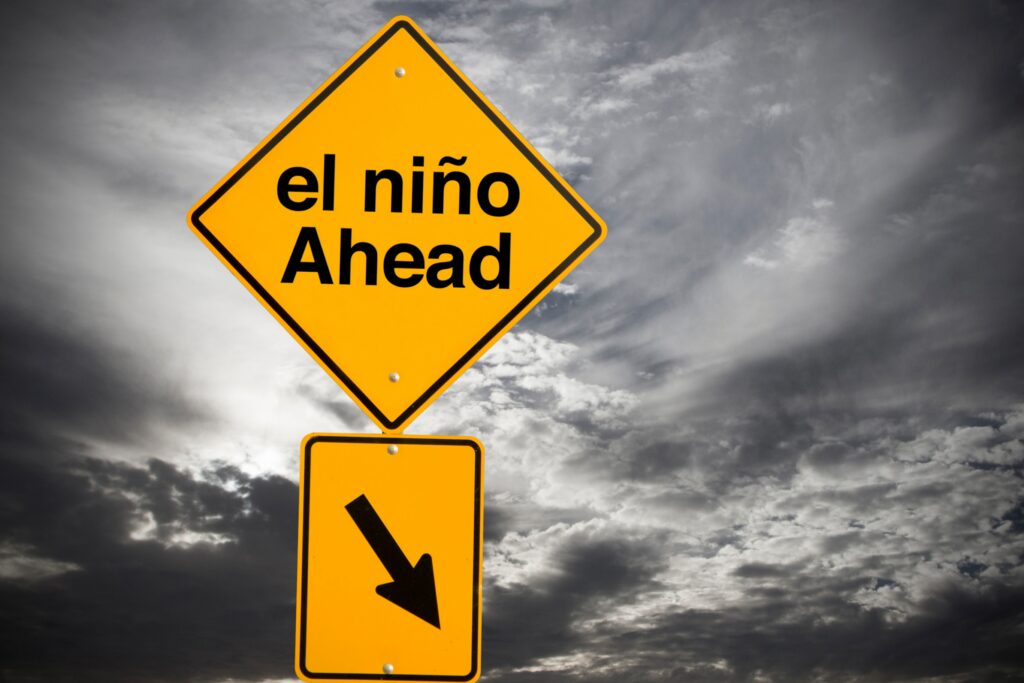

As winter approaches, El Niño is becoming an important factor in California’s seasonal weather outlook. This natural climate pattern, driven by warmer-than-average ocean temperatures in the central and eastern tropical Pacific, can influence weather patterns around the world. The 2026–2027 forecast points to a potentially historic event, with a strong or “super El Niño” increasing the potential for extreme weather and wetter-than-average conditions in parts of California. However, rainfall patterns remain uncertain, particularly in Northern California. NOAA’s seasonal outlook and local forecasts will help clarify what to expect as winter approaches.
For Bay Area homeowners, now is a good time to take a proactive approach to home preparedness. From checking roof conditions and clearing gutters to reducing flood risks and protecting outdoor areas, a few practical steps can help prepare your home for heavy rainfall and winter storms. Use this checklist to identify potential vulnerabilities and get your property ready for the months ahead.
1. Protect Your Home Before the Rain
Heavy rain and periods of intense precipitation can expose weaknesses in a home’s roof, drainage and foundation. Even if the forecast calls for wetter-than-average conditions rather than constant rain, completing essential home maintenance before a storm can help reduce the risk of water damage.
- Inspect the roof and repair leaks. Clear gutters, downspouts, and drains; direct runoff away from the foundation. Arrange professional help for roof work and hazardous trees.
- Obtain sandbags or suitable barriers for flood-prone doors and garages; learn proper placement. Check sump pumps and backup power. Move valuables, documents, and electrical equipment above likely flood levels; secure outdoor furniture.
2. Store Food and Safe Water
A well-stocked supply of food and drinking water can help households manage temporary disruptions if severe weather makes travel difficult or local services are interrupted. Prepare enough emergency supplies for everyone in the household, including children, older adults, and pets.
- Keep at least a three-day supply of shelf-stable food and a manual can opener; build toward a longer supply as space allows. Include infant, dietary, and pet needs; rotate supplies regularly.
- Store at least one gallon of water per person per day for three days; aim for two weeks if possible. Add water for pets and extra needs. Use sealed bottled water or clean, food-grade containers.
- Follow local drinking-water advisories. A filter alone may not remove all hazards. Bathtub water is for toilet flushing or other non-drinking uses, not drinking; prevent child access to standing water.
3. Prepare for Loss of Power
A power outage can affect refrigeration, lighting, communications and essential medical equipment. Preparing backup options ahead of time can help your household stay safe while electricity is unavailable.
- Charge phones and power banks. Keep flashlights or lanterns, spare batteries, and a battery or hand-crank radio accessible. Use battery lights instead of candles; test smoke and carbon monoxide alarms.
- If using a generator, operate outdoors at least 20 feet from doors, windows, and vents, with exhaust away. Never use in a garage or connect to a wall outlet. Use correctly rated outdoor cords, protect from rain per manufacturer instructions, and cool before refueling. A qualified electrician must install any connection to home wiring.
- Keep refrigerator/freezer doors closed. An unopened refrigerator keeps food cold for about four hours; a full freezer about 48 hours, or 24 hours if half full. Discard unsafe perishables; never taste food to decide whether it is safe.
4. Prepare for Medical Needs and Essential Supplies
Storms and power outages can make it harder to access pharmacies, medical appointments and routine healthcare. Preparing medications and medical supplies in advance can help prevent interruptions to care, particularly for people managing chronic conditions or relying on electricity-dependent medical equipment.
- Stock a first aid kit and know how to use it. Arrange an emergency medication supply with your pharmacy; keep a medication/allergy list and plan for refrigerated medicines, mobility needs, and powered medical equipment.
- Check prescription refill dates and make sure essential medications will be available if travel becomes difficult. Keep contact details for your pharmacy and healthcare providers accessible.
- If you use refrigerated medications or powered medical equipment, establish a backup plan for temperature control or electricity. Contact your healthcare provider before a storm if you need help planning for an interruption in treatment.
- Keep essential medical information, including medication lists, allergies, insurance details and relevant medical records, in a waterproof bag or accessible digital format.
When to Contact The Village Doctor
For Bay Area residents, preparing for severe weather can also mean planning ahead for healthcare needs. The Village Doctor provides personalized, concierge-style medical care and can help patients discuss health concerns and prepare for potential disruptions to routine care.
Consider contacting The Village Doctor before a major storm if you need to:
- Discuss medication refills or continuity of care before travel becomes difficult.
- Develop a plan for managing a chronic condition during a prolonged power outage or disrupted access to healthcare.
- Review medical needs related to refrigerated medications, mobility limitations or dependence on powered medical equipment.
- Ask about new or worsening symptoms that may need medical assessment before conditions deteriorate.
Contact your healthcare provider early if you anticipate difficulty accessing routine care. For life-threatening symptoms or a medical emergency, call 911 rather than waiting for a routine appointment.
5. Pack an Emergency Kit and Go-Bag
An emergency kit helps keep essential items together if you need to shelter at home or leave quickly. Preparing a go-bag in advance also makes it easier to follow an evacuation plan without scrambling to gather belongings during severe weather.
- Pack a go-bag with sturdy shoes, rain gear, warm layers, hygiene supplies, medications, cash, spare keys, copies of identification/insurance, and chargers. Include glasses, infant supplies, and pet food, carriers, and leashes as needed.
- Keep a first-aid kit, basic hygiene items, sanitation supplies, and other emergency supplies in an accessible location.
- Store important documents in waterproof packaging and keep a list of emergency contacts with your supplies.
- Check your emergency kit periodically and replace expired food, medications, and batteries as needed.
6. Stay Connected and Be Ready to Leave
Weather conditions can change quickly, and local flooding or road closures may affect different parts of the Bay Area at different times. Having a communication plan and knowing when to evacuate can help protect your household if an emergency develops.
- Sign up for local emergency and utility alerts. Choose an out-of-area contact and two meeting places. Share evacuation routes, school/childcare arrangements, and plans to help neighbors who may need assistance.
- Keep your vehicle fueled or charged before the storm. Leave promptly when ordered; take pets. Never walk or drive through floodwater or around road barriers. Stay away from downed wires and flooded electrical equipment.
- Keep phones charged and make sure household members know how to stay in touch if mobile networks or internet services are disrupted.
- Review your evacuation plan with everyone in the household, including where to go, how to get there, and what to take if you need to leave at short notice.
Where to Find Weather Forecasts and Climate Predictions
Use official sources to monitor changing conditions and understand what the seasonal forecast may mean for your area.
- National Weather Service: Check local weather forecasts, heavy rain warnings, flood watches and warnings, and other severe weather alerts.
- NOAA Climate Prediction Center: Review seasonal outlooks, precipitation forecasts, and updates on El Niño and other climate patterns.
- NOAA Climate.gov: Learn more about El Niño, how it affects weather patterns and the limitations of seasonal climate predictions.
Seasonal outlooks describe broad trends rather than predicting the exact timing or location of individual storms. Continue checking short-term forecasts as winter approaches, even if the seasonal outlook changes.
Check Local Flood Risks and Emergency Updates
Conditions can vary significantly across the Bay Area, from coastal communities and low-lying neighborhoods to hillside properties and areas near creeks. Local information can help identify risks that a regional forecast may not capture.
- Cal OES: Find California emergency preparedness guidance and information about state-level emergency response.
- Ready.gov: Review flood safety advice and practical steps for preparing for flooding.
- Caltrans QuickMap: Check highway conditions, traffic incidents, and road closures before traveling.
Your city or county emergency management office: Sign up for local alerts and look for information about evacuation zones, sandbag distribution, flood-prone areas, and emergency shelters.
Review Your Insurance and Home Maintenance Plans
Severe weather preparedness is also a good time to review your homeowner’s insurance policy and understand what is and isn’t covered. Standard homeowner’s insurance generally does not cover flood damage, so separate flood insurance may be worth considering depending on your property’s risk. Review policy exclusions, coverage limits, and any waiting periods with your insurer.
You can also use this time to schedule outstanding home maintenance, document the condition of your property with photographs, and keep receipts for significant repairs. These records may be useful if you need to make an insurance claim later.
Wrap Up: Prepare Your Home Before Severe Weather Arrives
An El Niño forecast is a reminder to take practical steps toward home and household preparedness before the winter storm season begins. While a strong El Niño can influence precipitation patterns and increase the potential for certain weather extremes, the exact conditions in the Bay Area remain uncertain.
By checking your roof and drainage, storing food and water, preparing for a power outage, assembling an emergency kit, and reviewing your evacuation plan, you can reduce avoidable risks and make it easier to respond if conditions worsen. Keep monitoring the National Weather Service and Climate Prediction Center for updates, follow local emergency guidance, and address home maintenance or healthcare needs early.
Wishing you health and safety,
Dr. Spira
Alan Spira, MD, & DTM&H, October 2026
Read Also: